Finding Balance in Motion: Maike’s Journey from Customer Success to Account Executive and Wellbeing Ambassador
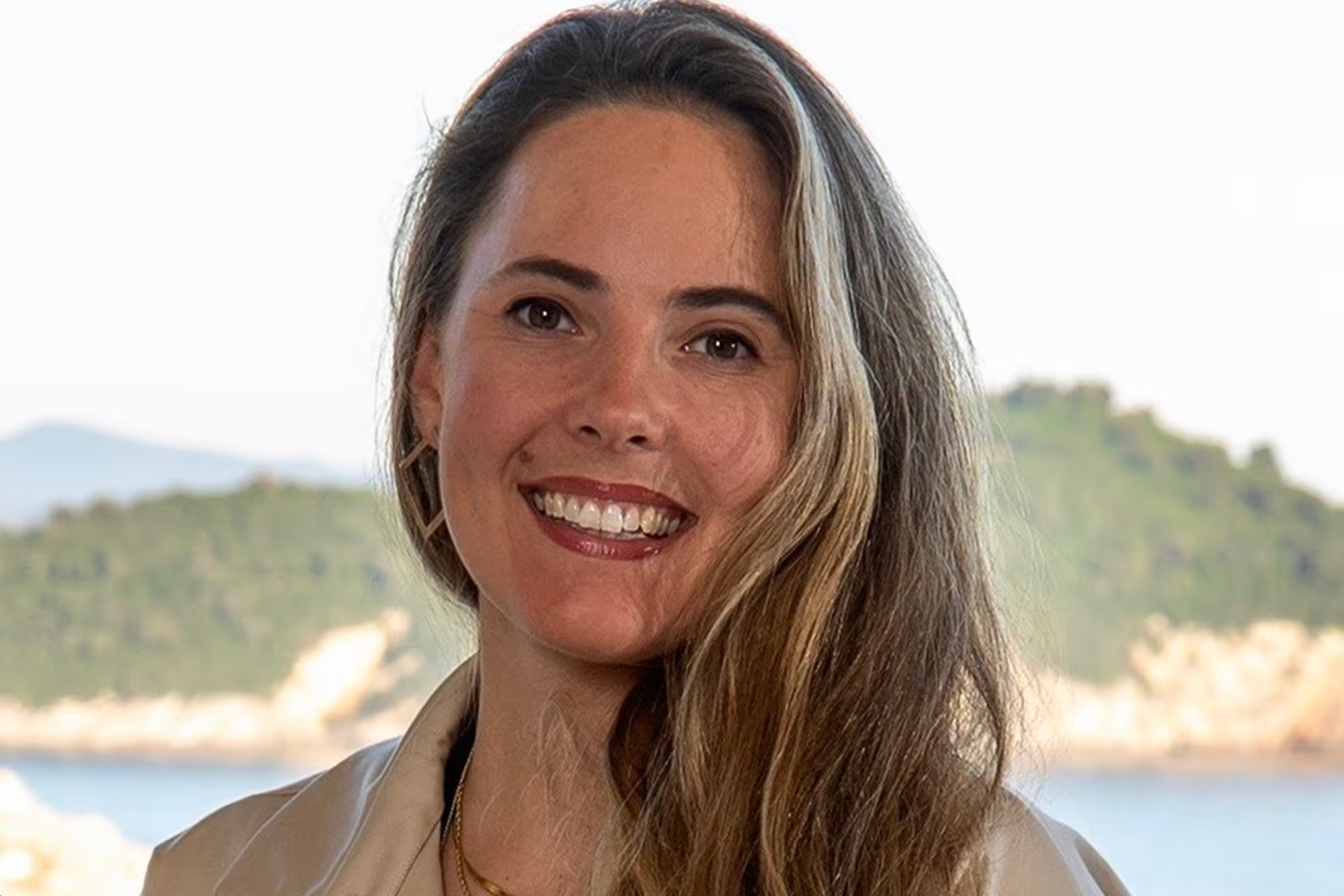
When you meet Maike, her energy instantly fills the room; even if that “room” happens to be a virtual one between Barcelona and Berlin. Three and a half years into her CoachHub journey, Maike embodies what work-life that works truly means: freedom, trust, and a deep belief that wellbeing fuels performance.
“For me, flexibility is everything. I love that I can shape my day whether I’m working from home or my favorite WeWork in Barcelona. It’s not about where or when you work, but about the impact you make.”
From Customer Success to Sales with Purpose
Maike started as a Customer Success Manager, helping clients make the most of coaching. Her curiosity and drive soon led her into a new challenge: the Account Executive role for the DACH region.
Selling coaching, she says, feels different:
“You’re not selling software. You’re helping companies create better leaders and better teams. I used to sell sneakers; fun work, sure, but the world probably doesn’t need more of them. Now I sell something that actually makes the workplace better.”
For Maike, purpose isn’t a buzzword, it’s the reason she shows up every day. Her role lets her see the ripple effect of coaching across organizations: managers becoming more empathetic, teams communicating better, people growing in confidence. “That’s what makes it exciting”.
Bringing Wellbeing to Work - Literally
Outside her AE role, Maike leads CoachHub’s weekly wellbeing sessions: short, guided meditations and positive psychology breaks designed to help colleagues reset midweek. It started two and a half years ago as part of the Wellbeing Ambassador initiative and has since become a small but steady ritual for CoachHubbers.
“Every Wednesday, we do a 30-minute reset: 15 minutes of meditation, then something simple like gratitude or sharing compliments. It’s about pausing, reconnecting, and remembering that we’re humans first.”
Her passion for mindfulness began before joining CoachHub. After a period of intense stress in the sports industry when she realized she wasn’t prioritizing herself; she created her own wellbeing startup, Smile Clock, organizing company retreats that blend business and mindfulness. That experience naturally evolved into her current mission: keeping wellbeing alive in a fast-moving, high-growth environment.
Why Flexibility Matters
Living in Barcelona while working for a global company gives Maike the balance she once dreamed of. “I can design my workday around my energy; that’s what keeps me engaged and productive,” she says. “CoachHub trusts you to own your time. That’s rare, and it’s why I’m still here.”
✨ Maike’s Wellbeing Tip
“Start small. Ten minutes of mindfulness a day can change everything: even a short walk or a breathing break between meetings.”
💬 Want to join Maike’s journey?
We’re hiring Account Executives. Explore open roles on our Careers Page and see how work-life that works can look for you.



.avif)